
- September 1, 2026
- by admin
- 0
- 7:14 pm
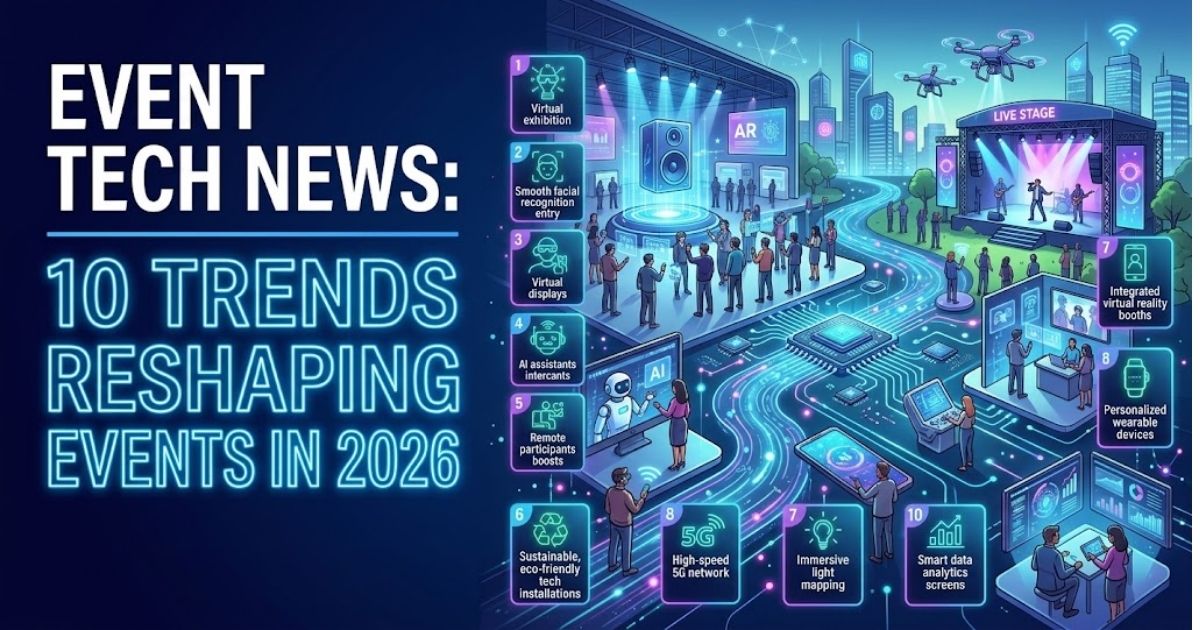
Event tech news moves fast, and planners who fall behind lose their edge. New platforms launch, old tools get smarter, and attendee expectations climb every quarter. Staying current isn’t optional anymore; it’s how modern event professionals stay competitive.
This article breaks down the latest event tech news in plain language. You’ll learn what’s changing, why it matters, and how to act on it. No jargon, no fluff, just practical insight you can use today.
The events industry changes faster than most people realize. A tool that felt cutting-edge two years ago might already feel outdated. Following event tech news helps planners spot shifts early, so they’re not scrambling to catch up after competitors have already adopted better solutions.
Staying informed also protects your budget. Event technology decisions carry real financial weight, from software licenses to hardware rentals. Planners who track event tech news make smarter purchasing choices, avoid costly missteps, and negotiate better deals because they understand what’s actually available in the market.
Artificial intelligence has moved from a buzzword to a genuine planning assistant. AI tools now handle scheduling conflicts, recommend session times based on attendee behavior, and even draft marketing copy for event promotion. This shift frees planners to focus on strategy instead of repetitive administrative tasks.
Many platforms now use AI to match attendees with relevant sessions or networking contacts automatically. This kind of personalization used to require a full data team. Today, it’s built into off-the-shelf event software, making advanced matchmaking accessible to smaller organizations too.
Long registration lines frustrate attendees before an event even begins. Smart badges with RFID or NFC chips solve this by letting people tap in instead of waiting for manual check-in. This small change dramatically improves first impressions.
These badges do more than speed up entry. They track session attendance, capture booth engagement, and feed real-time data back to organizers. Sponsors love this because it gives them concrete proof of attendee interest, which strengthens future sponsorship deals.
Attendees expect experiences tailored to their interests, much like they get from streaming services or online shopping. Event technology now delivers personalized agendas, targeted content recommendations, and custom networking suggestions based on registration data and in-app behavior.
This level of personalization increases satisfaction and engagement scores. It also gives organizers valuable insight into what content resonates, which shapes better programming for future events. Data collected responsibly and transparently builds trust rather than feeling invasive.
Hybrid events are no longer an afterthought bolted onto in-person gatherings. Platforms have matured to treat virtual attendees as equally important participants, not second-class viewers watching a livestream. This shift reflects genuine investment in remote engagement tools.
New features include interactive polling for virtual audiences, virtual networking lounges, and AI-generated session summaries for people who missed a talk. These tools close the gap between in-person and remote experiences, which was one of the biggest complaints about early hybrid formats.
Key improvements event tech news has highlighted recently include:
Choosing between platforms can feel overwhelming given how many options exist. Here’s a straightforward comparison of what different platform types typically offer.
| Platform Type | Best For | Key Strength | Typical Limitation |
|---|---|---|---|
| All-in-one event suites | Large conferences | Registration, agenda, and networking in one place | Higher cost, longer setup |
| Hybrid-focused platforms | Mixed in-person/virtual events | Strong streaming and remote engagement | Less robust in-person tools |
| Lightweight registration tools | Small events, workshops | Fast setup, low cost | Limited scalability |
| Networking and matchmaking apps | Trade shows, expos | AI-driven attendee connections | Requires integration with other tools |
Picking the right tool starts with understanding your event’s actual needs, not just what’s trending in event tech news. A checklist helps keep the decision grounded and practical.
Event Tech Selection Checklist:
Once you’ve narrowed your options, follow these numbered steps to finalize your choice:
Budgeting for event tech requires looking beyond the sticker price. Hidden costs like onboarding, training, and add-on features can quietly inflate your total spend. Understanding ROI means measuring outcomes, not just tracking expenses.

| Investment Area | Average Cost Impact | Expected ROI Signal |
|---|---|---|
| Registration software | Low to moderate | Faster check-in, cleaner data |
| AI personalization tools | Moderate | Higher engagement, repeat attendance |
| Hybrid streaming setup | Moderate to high | Expanded reach, new revenue streams |
| Smart badges/RFID | Moderate | Better sponsor reporting, upsell potential |
Even well-funded events stumble when technology decisions happen too quickly or without enough planning. Avoiding these common mistakes saves both money and reputation.
Event tech news isn’t just industry trivia; it’s a roadmap for smarter planning decisions. From AI-driven personalization to smarter hybrid platforms, the tools available today make it easier to create engaging, well-run events. Staying current on event tech news helps you choose better vendors, protect your budget, and deliver experiences attendees actually remember. The planners who thrive going forward will be the ones who treat event technology as a strategic advantage, not an afterthought.
What is event tech?
Event tech refers to software and hardware tools used to plan, manage, and run events, including registration platforms, badges, apps, and analytics tools.
How often does event technology change?
Event technology evolves quickly, with major platform updates and new tools appearing several times a year, which is why following event tech news regularly matters.
What is the best event tech news source?
The best sources combine industry publications, vendor announcements, and firsthand reviews from event professionals who’ve tested the tools in real settings.
Do small events need event technology?
Yes, even small events benefit from basic registration and check-in tools, which save time and reduce manual errors compared to paper-based processes.
What’s next in event tech innovation?
Expect deeper AI integration, more sophisticated hybrid engagement tools, and increased focus on data privacy as event technology continues to mature.



Welcome to Poly, your trusted source for informative and engaging content across technology, business, lifestyle, travel, entertainment, and more. Our mission is to provide accurate, up-to-date, and easy-to-read articles that inform, educate, and inspire readers around the world.
Email: