
- September 6, 2026
- by admin
- 0
- 7:53 pm
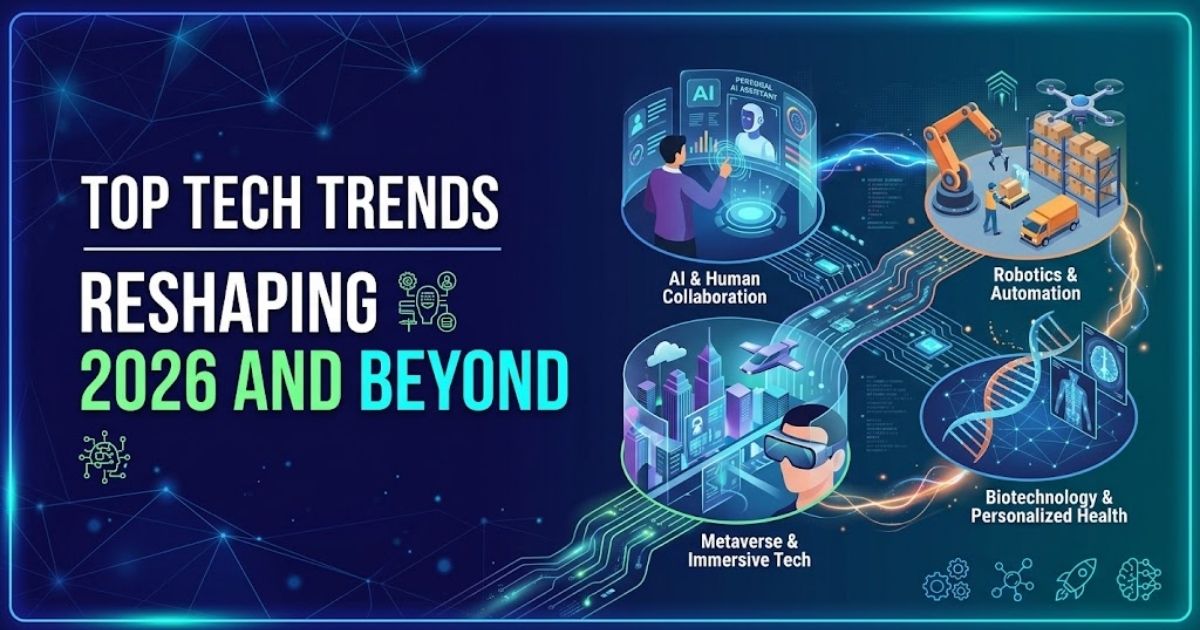
Technology moves fast, and staying on top of it feels like a full-time job. Every year brings new tools, new risks, and new ways of working, and 2026 is no exception. If you’ve felt overwhelmed trying to separate real progress from passing hype, you’re not alone.
This guide breaks down the top tech trends that actually matter this year. You’ll get a clear picture of what’s changing, why it matters, and how to act on it without drowning in jargon. Whether you run a business, work in IT, or just want to stay informed, this article gives you a practical, no-fluff roadmap.
The phrase “top tech” used to mean the newest gadget on a store shelf. That’s no longer the case. Today, top tech refers to the systems, platforms, and tools quietly reshaping how people work, communicate, and make decisions. It’s less about flashy hardware and more about invisible infrastructure.
This shift matters because it changes where you should focus your attention. Instead of chasing the next phone release, smart organizations track software updates, AI capabilities, and security standards. That’s where the real competitive advantage lives now, and it’s why understanding top tech means understanding systems, not just devices.
A decade ago, top tech lists were dominated by consumer electronics. Now, the list looks different:
This broader definition means top tech touches nearly every industry, not just Silicon Valley. A dentist’s office, a trucking company, and a marketing agency all rely on top tech tools today, even if they don’t call them that.
Artificial intelligence remains the single biggest force in top tech conversations, and for good reason. It’s no longer confined to research labs. AI now writes emails, analyzes spreadsheets, flags fraud, and helps doctors read scans faster. The pace of adoption has surprised even industry veterans.
What makes this trend different from past hype cycles is measurable impact. Companies using AI tools report faster turnaround times and fewer errors in repetitive tasks. That’s a real return on investment, not just marketing language. This is why AI sits at the center of nearly every top tech roundup published this year.
You’ve likely used AI today without noticing:
None of these feel futuristic anymore, and that’s the point. The best top tech tools become invisible once they work well.
As more of daily life moves online, cybersecurity has shifted from optional to essential. Data breaches now cost companies millions in lost trust, not just lost dollars. This is one reason cybersecurity consistently ranks among the top tech priorities for 2026.
Remote work made this urgent. When employees log in from home networks, coffee shops, and personal devices, the old office firewall no longer covers everything. Businesses now need layered protection that follows the user, not just the building. That shift is reshaping IT budgets across nearly every sector.
Common cybersecurity upgrades businesses are adopting include:
Wearable technology has quietly grown from a fitness trend into a genuine health tool. Smartwatches now track heart rhythms, sleep quality, and blood oxygen levels with clinical-grade accuracy in many cases. This makes wearables one of the more personal entries on any top tech list.
Smart home devices have followed a similar path. Thermostats, locks, and lighting systems now communicate with each other, saving energy and improving convenience. The appeal isn’t novelty anymore; it’s genuine daily usefulness that justifies the cost for many households.
Sustainability has moved from a marketing buzzword to a real design requirement. Data centers, which power everything from streaming video to AI models, consume enormous amounts of electricity. Tech companies are under growing pressure to make that consumption more efficient.
This has pushed green tech into the top tech spotlight. Solar-powered data centers, recyclable device materials, and energy-efficient chips are no longer niche projects. They’re becoming standard expectations from both regulators and consumers who care where their technology comes from.
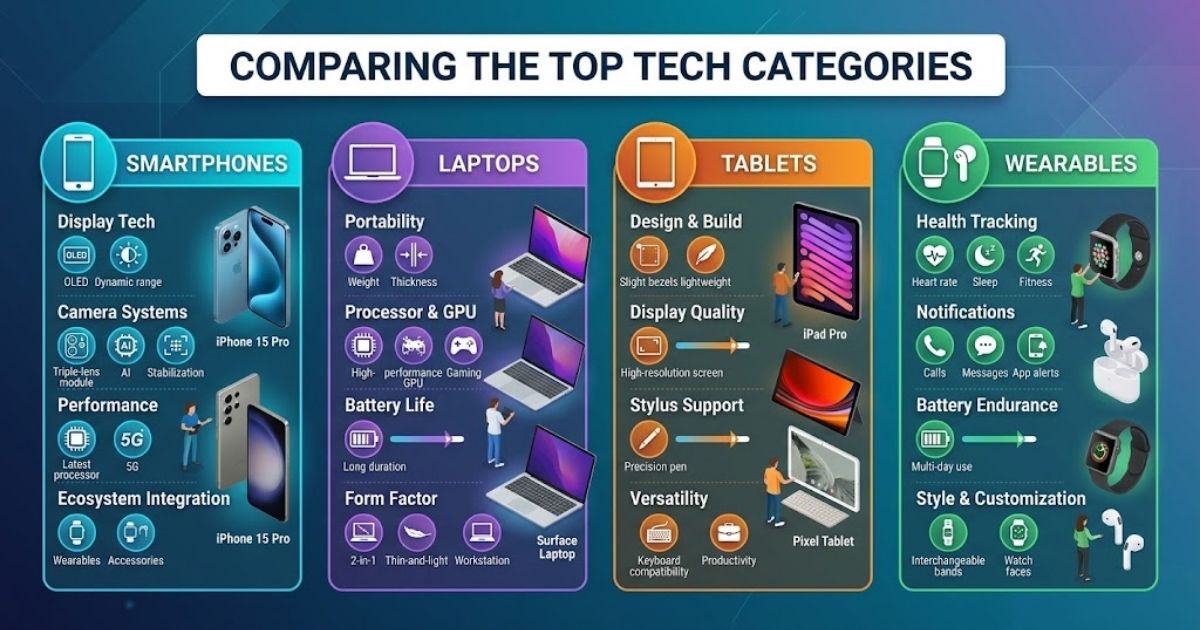
| Tech Category | Adoption Speed | Typical Cost | Primary Benefit |
|---|---|---|---|
| Artificial Intelligence | Very Fast | Low to Moderate | Efficiency and automation |
| Cybersecurity Tools | Fast | Moderate | Risk reduction |
| Wearables | Moderate | Low | Personal health insight |
| Green Tech | Slow to Moderate | High upfront | Long-term cost savings |
This table highlights a key point: top tech isn’t one-size-fits-all. Some tools deliver quick wins, while others require patience before the payoff shows up.
| Trend | Best Suited For | Long-Term Outlook |
|---|---|---|
| AI Automation | Businesses of all sizes | Continued rapid growth |
| Cybersecurity | Any organization online | Permanent necessity |
| Wearables | Health-conscious consumers | Steady expansion |
| Sustainable Tech | Large enterprises first | Gradual mainstream shift |
Keeping pace with top tech doesn’t require unlimited budgets. It requires intentional, small steps taken consistently. Start by identifying which trend directly affects your work or daily routine, then research one practical tool rather than trying to adopt everything at once.
For individuals, this might mean trying a single AI writing tool or enabling two-factor authentication on important accounts. For businesses, it might mean piloting one automation tool in a single department before scaling company-wide. Small, deliberate moves beat overwhelming overhauls every time.
Top tech in 2026 isn’t about chasing flashy gadgets. It’s about understanding the systems quietly reshaping work, security, health, and sustainability. Artificial intelligence, cybersecurity, wearables, and green tech each offer real, practical value when approached with a clear plan rather than blind hype.
The businesses and individuals who benefit most won’t be the ones who adopt everything at once. They’ll be the ones who pick relevant top tech tools, test them carefully, and build habits around what actually works. Start small, stay consistent, and let results guide your next move.
What is considered top tech in 2026?
Top tech in 2026 mainly refers to artificial intelligence, cybersecurity tools, wearables, and sustainable technology. These categories dominate business and consumer discussions because they deliver measurable, everyday impact.
Is AI still the biggest tech trend?
Yes, artificial intelligence remains the most influential top tech trend. Its use in automation, customer service, and data analysis continues to expand across nearly every industry.
How can small businesses adopt top tech affordably?
Small businesses can start with low-cost tools like AI writing assistants or basic cybersecurity upgrades. Testing one tool at a time helps control costs while still gaining real benefits.
What tech skills are most valuable right now?
Skills in AI tool usage, basic cybersecurity awareness, and data literacy are highly valuable today. These skills apply across almost every industry, not just tech-specific roles.
Will sustainable tech become mandatory?
Sustainable tech is trending toward becoming a standard expectation rather than an optional add-on. Regulatory pressure and consumer demand are both pushing companies toward greener practices.



Welcome to Poly, your trusted source for informative and engaging content across technology, business, lifestyle, travel, entertainment, and more. Our mission is to provide accurate, up-to-date, and easy-to-read articles that inform, educate, and inspire readers around the world.
Email: